restoring nature and building water resilience in Shropshire with Severn Rivers Trust
We are proud to be supporting Severn Rivers Trust with funding contributing to a wetland restoration project in Shropshire. The project will help restore approximately 12.5 hectares of land, reconnecting a modified watercourse with its floodplain and creating wetlands and woodland where wildlife can thrive.
why water stewardship, why Severn Rivers Trust, and why now?
One exists to help provide clean water and sanitation to communities around the world. We have helped The One Foundation to raise over £30 million for safe, clean water and sanitation projects in vulnerable communities.
Today, climate change increasingly threatens this mission with extreme weather events disproportionately impacting vulnerable regions. But water vulnerability is not a distant issue. Even here in the UK, where we take clean water for granted, recent heat waves and shifting El Niño climate cycles have highlighted our own vulnerability.
By 2050, UK peak river flows are expected to be up to 45% higher and water supply shortfalls could exceed five billion litres per day. Rivers and freshwater ecosystems are the lifeblood of our landscapes: they help mitigate the effects of climate change, protect communities from flood and drought events, provide essential habitats and more. Yet, according to The Rivers Trust, not a single stretch of river in England is in good overall health. Many challenges facing river health in the UK are the direct result of human action, for example, the discharge of sewage, agricultural run-off that causes algal blooms, and the artificial modification of watercourses.
At One Water, our ability to deliver our mission depends on the health of the water systems on our doorstep, and the River Severn catchment is of key operational importance for us.
By delivering nature-based solutions (more on this below), we can support catchment health and resilience for generations to come while safeguarding our ability to keep transforming lives through The One Foundation.
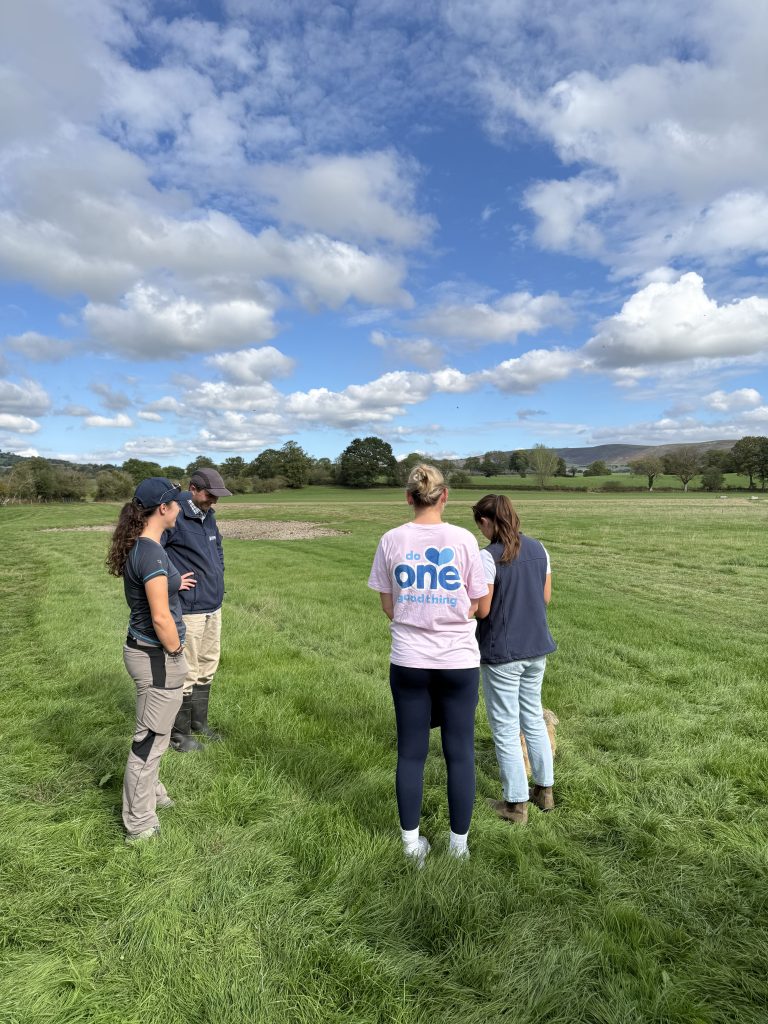
Severn Rivers Trust brings practical river restoration experience and strong relationships with local landowners, helping turn this ambition into action on the ground.
At Norbury, the landowners’ willingness to take land out of agricultural production and make space for river and wetland restoration has been essential. Without their support and commitment, a project of this scale would not be possible.
what has the project involved, and what benefits will it deliver?
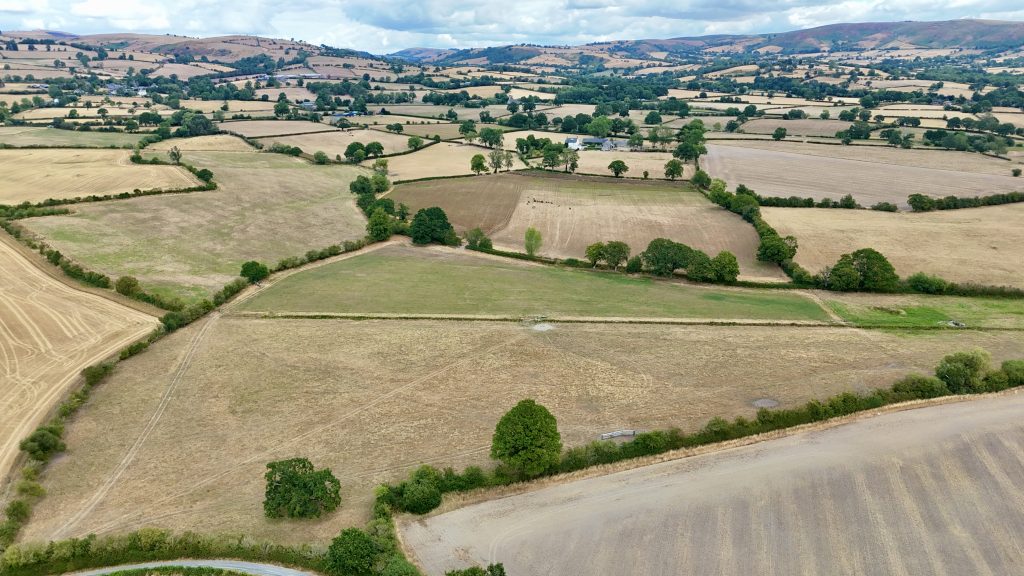
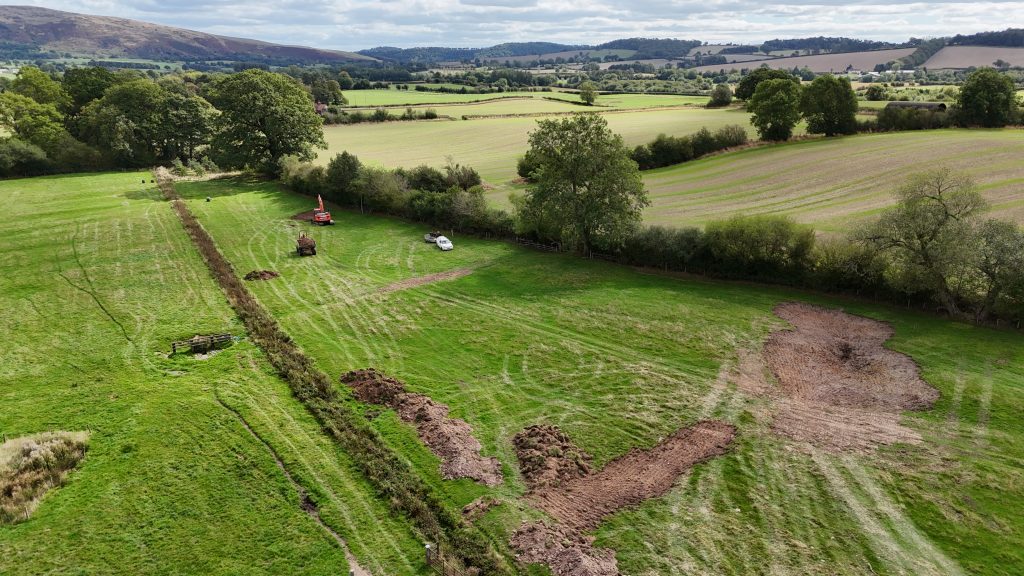
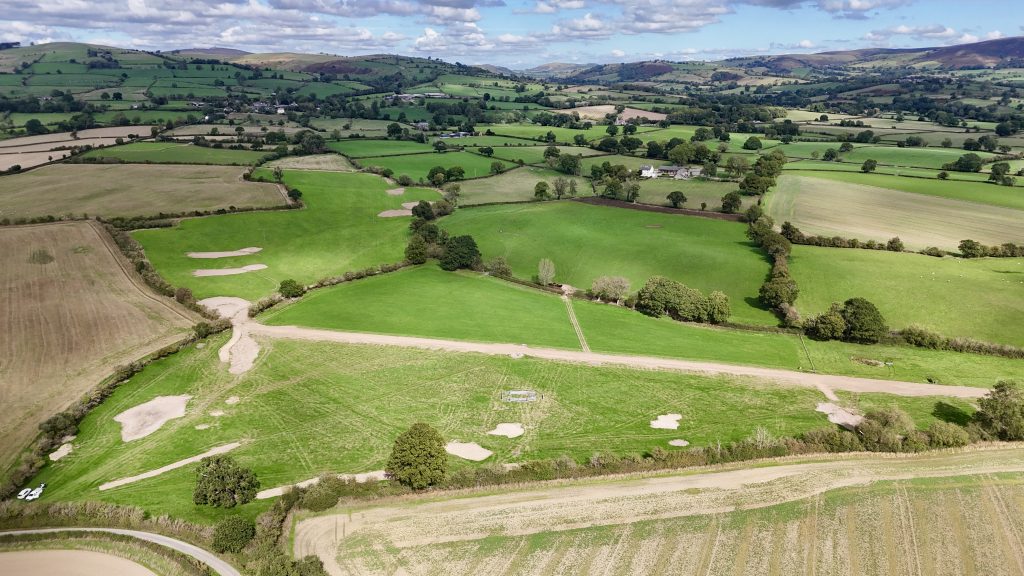
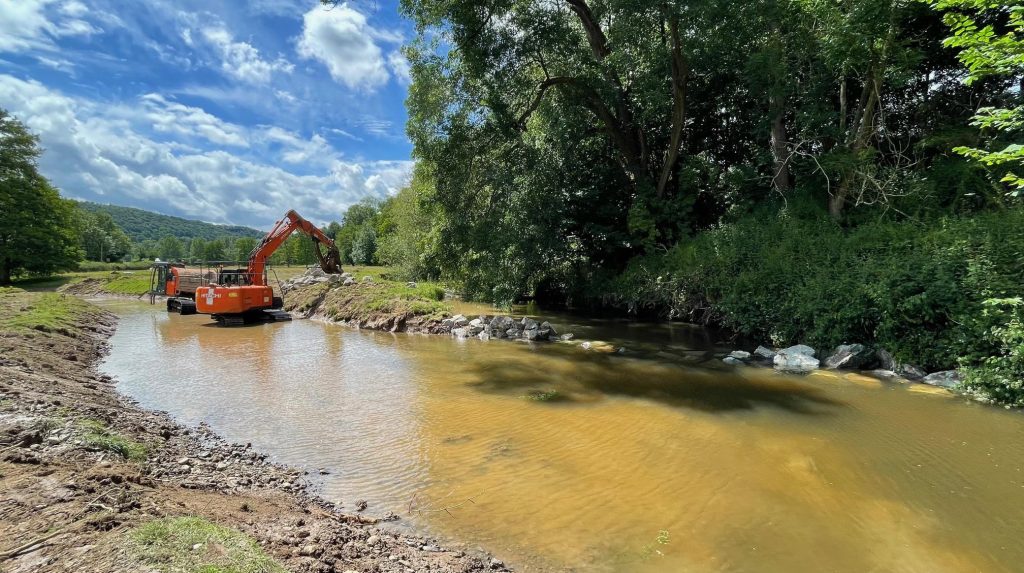
Naturalising Norbury is a river and floodplain restoration project in Shropshire’s upper Onny catchment, part of the wider Severn catchment. Over the last few months, Severn Rivers Trust has delivered the main restoration works within the approximately 12.5-hectare project area, with native planting to follow later this winter.
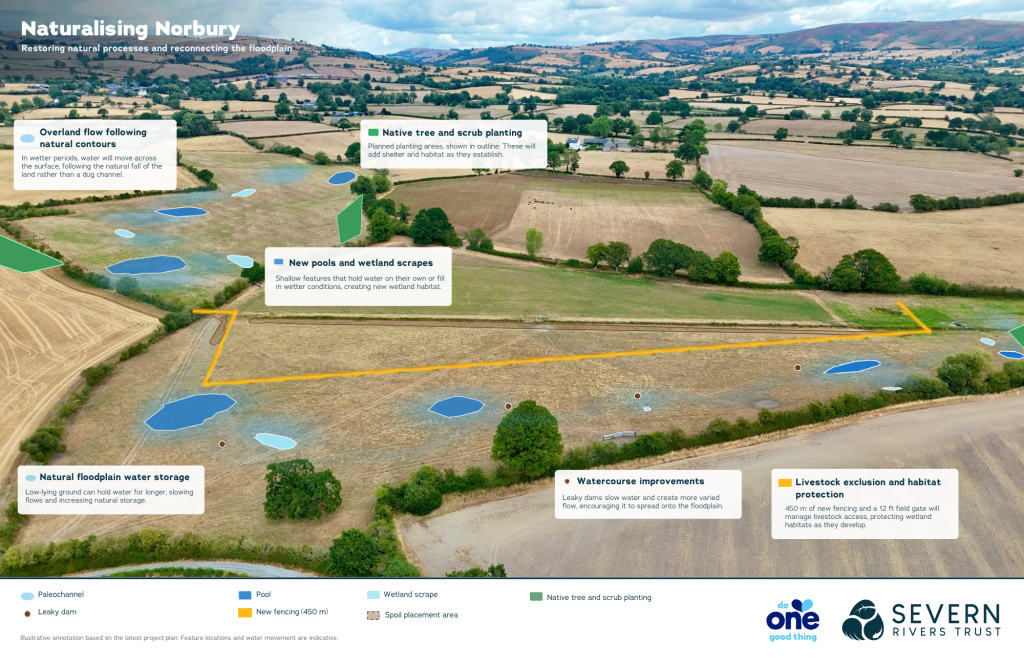
Decades of agricultural drainage and channel modification had altered how water moved through the landscape. Guided by historic mapping and detailed site assessments, the work has restored channel features and helped reconnect the watercourse with its floodplain: the surrounding land that naturally holds water when river levels rise.
The restoration includes:
- Restored channel features to create more varied flows and routes through the site. Careful, light-touch excavation has helped guide water into a network of channels and wetland areas.
- Floodplain reconnection to allow water to spread and slow across surrounding land during wetter periods.
- New pools and wetland scrapes, including shallow depressions that hold water seasonally. Different depths and water levels provide varied conditions for plants and wildlife.
- Livestock exclusion from the main watercourse, with carefully positioned fencing across the project area to help protect banks from trampling and reduce soil disturbance and animal waste entering the water directly.
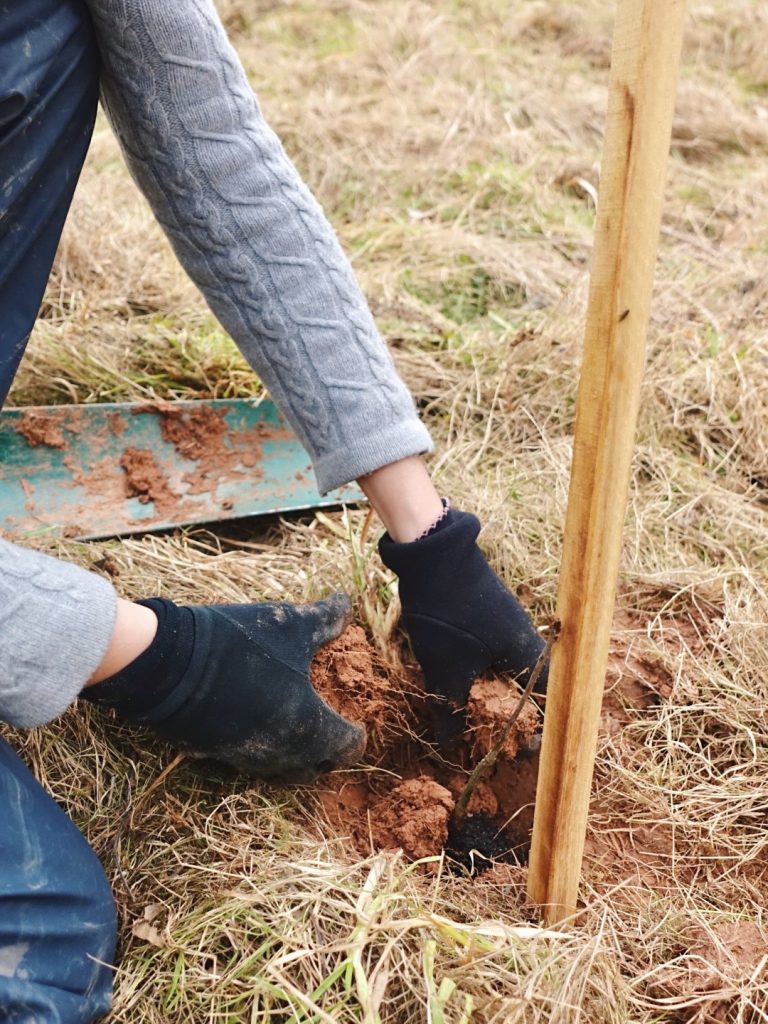
- Native tree and shrub planting later this winter, including oak, hawthorn and goat willow. Groups of trees and shrubs alongside open wetland will provide shelter and cover as they grow, strengthening connections with existing vegetation.
By giving water room to move, spread and slow, the works are creating more places for wildlife to feed, shelter and breed as habitats develop. These changes will bring lasting benefits to the local environment.
more varied habitats for wildlife
Flowing water, pools, shallow wetlands and native planting each offer different conditions for wildlife. Bringing them together creates a complex mosaic of habitats, supporting nature, and a diverse range of species in a functional, resilient landscape.
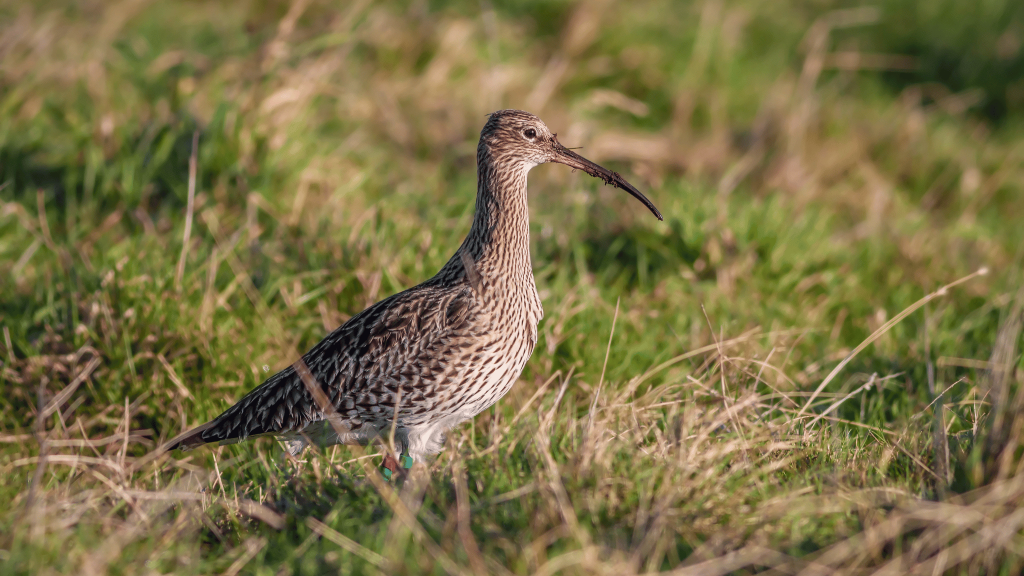
The developing habitats could provide suitable conditions for amphibious species such as common frogs and smooth newts, as well as common blue damselflies. Wetland margins will also offer feeding opportunities for birds like Lapwing and Curlew, while trees and shrubs provide additional cover for songbirds and small mammals. Connecting these habitats can help wildlife move through the wider landscape.
helping protect downstream river habitats
As water slows across the floodplain and within wetland areas, soil particles carried from surrounding land have more opportunity to settle. This can reduce the amount of fine sediment travelling downstream, where it can smother riverbed habitats and carry excess nutrients that affect water quality.
Keeping livestock out of the main watercourse will reduce grazing and trampling pressure on bankside vegetation, helping it establish and recover. This vegetation can help hold soil in place. Together, these measures can benefit the water environment far beyond the project’s boundaries.
more space to hold water
The reconnected floodplain gives water more room to spread across the land during wet weather, while pools and wetland features provide additional opportunities for natural water storage.
Slowing water’s passage through the site can contribute to the wider catchment’s ability to cope with heavy rainfall. Rather than water being confined to a single channel, it has more opportunities to spread through the surrounding landscape.
caring for the restored site
The initial works are only the start. As wetland vegetation establishes and winter planting matures, the site will continue to change.
Severn Rivers Trust will carry out checks to confirm that agreed maintenance has been completed, as part of the project’s maintenance payment arrangements.